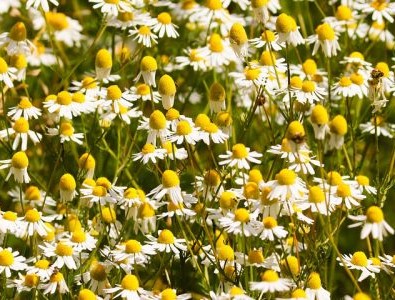
Arnica [Arnica Montana]

Known for its powerful, time-tested healing properties, Arnica montana is at the heart of our handcrafted oils and salves—formulated to naturally support recovery from aches, pains, and physical trauma.
Arnica montana, also known as wolf’s bane, leopard’s bane, mountain tobacco, and mountain arnica, is a significant botanical used traditionally in Western herbalism. It has also found a central place in homeopathy for its effectiveness in addressing traumatic injuries, overuse of muscles or organs, strains, and sprains.
We prepare potent infused oils and therapeutic salves using carefully selected Arnica flowers, slowly extracted into carrier oils to preserve and concentrate its beneficial compounds. These formulations are used to ease muscular discomfort, reduce swelling, and support the healing of bruises and minor injuries—making them a trusted addition to natural first aid.
Preparation Methods:
- Oil infusion with Arnica flowers
- Salves combined with other supportive botanicals
Arnica Montana Short Monograph
| Parts used: | Flowers; Roots |
| Constituents: | Contains sesquiterpene lactones helanalin and dihydrohelananin, which help mitigate the expression of inflammatory cytokines, such as Interleukin-1 (IL1) and TNF-a, which are overproduced in inflamed tissues. Flavonoids; Volatile oils; Tannins; Polysaccharides |
| Actions: | Anti-inflammatory; Analgesic; Antimicrobial; Immunomodulatory; Vulnerary (promotes wound healing) |
| Indications: | Bruises Sprains and strains Muscle soreness Arthritis and rheumatic pain Insect bites Post-surgical pain and swelling |
| Contraindications: | Broken or abraded skin (may cause irritation) Known hypersensitivity to members of the Asteraceae family Internal use is generally contraindicated due to toxicity Precautions: For external use only. Arnica is generally safe when used on the skin, however is best to be avoided in pregnancy, breastfeeding and on broken skin. |
| Adverse effects: | Skin irritation or dermatitis with prolonged use Allergic reactions (rare) |
| Toxicity: | Internal use can cause severe gastrointestinal irritation, dizziness, tremors, and cardiac arrhythmias |
| Interactions: | Anticoagulant and antiplatelet drugs (may increase bleeding risk when applied to large areas or broken skin) |
| Additional info: | Widely used topically for its anti-inflammatory and analgesic properties. Traditionally it’s also used for rheumatism impacting muscles and joints. Scientifically demonstrated efficacy in reducing pain and swelling associated with varicose veins. Commonly used topically to alleviate discomfort associated with sprains, bruises, dislocations, muscle aches, wound healing, joint pain, insect bites. Avoid using on open wounds or broken skin to prevent irritation. |
| Daily Therapeutic Dose: | Topical application: Creams, gels, or ointments containing 10-25% Arnica tincture, applied 2-3 times per day Homeopathic preparations: one of the most popular homeopathic medicines throughout the world, typically used in potencies like 30 CH, 200 CHor higher. |
Our Arnica-based products are crafted with intention, quality, and care—offering a natural path to pain relief through the wisdom of traditional herbal practice.
References:
Adkison JD. The effect of topical arnica on muscle pain. Ann Pharmacother. 2010;44(10):1579-84.
Auerbach. Wilderness Medicine. 6th ed. Philadelphia, PA: Elsevier Mosby; 2011.
Blumenthal M, Goldberg A, Brinckmann J, eds. Herbal Medicine: Expanded Commission E Monographs. Newton, MA: Integrative Medicine Communications; 2000.
Bolognia. Dermatology. 3rd ed. St. Louis, MO: Elsevier Saunders; 2012.
Brinkhaus B, Wilkens JM, Ludtke R, Hunger J, Witt CM, Willich SN. Homeopathic arnica therapy in patients receiving knee surgery: Results of three randomised double-blind trials. Complement Ther Med. 2006 Dec;14(4):237-46.
Huber R. Bross F, Schempp C, Grundermann C. Arnica and stinging nettle for treating burns – a self-experiment. Complement Ther Med. 2011;19(5):276-80.
Kotlus BS, Heringer DM, Dryden RM. Evaluation of Homeopathic Arnica montana for Ecchymosis After Upper Blepharoplasty: A Placebo-Controlled, Randomized, Double-Blind Study. Ophthal Plast Reconstr Surg. 2010 Jul 29. [Epub ahead of print]
Seeley BM, Denton AB, Ahn MS, Maas CS. Effect of homeopathic Arnica montana on bruising in face-lifts: results of a randomized, double-blind, placebo-controlled clinical trial. Arch Facial Plast Surg. 2006 Jan-Feb;8(1):54-9.
Sutovska M, Capek P, Kocmalova M, et al. Characterization and pharmacodynamic properties of Arnica montana complex. Int J Biol Macromol. 2014;69:214-21.
![Comfrey [Symphytum officinale]](http://formulabotanix.ca/wp-content/uploads/2025/05/Salve-Comfrey.jpg)